NAVIGATION

Home

Reading

Writing

Projects

Resume


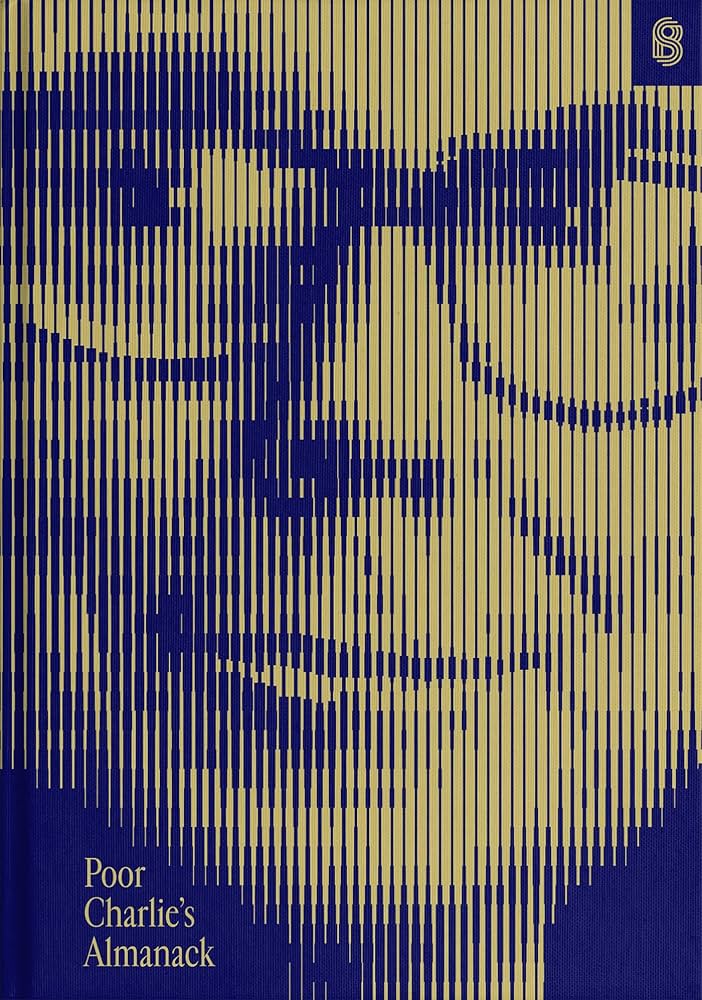
Poor Charlie's Almanack

Poor Charlie's Almanack

Charlie Munger

Read: March 2024 • Rating: 10/10

The collected wisdom of Charlie Munger. A masterclass in multidisciplinary thinking.

Munger's latticework of mental models approach fundamentally changed how I think about learning. Instead of going deep in one field, he advocates for knowing the big ideas from all major disciplines and applying them in combination.

The speeches are gold. His talk on the psychology of human misjudgment should be required reading for anyone making decisions under uncertainty. Dense, rewarding, and endlessly quotable.
Crime and Punishment

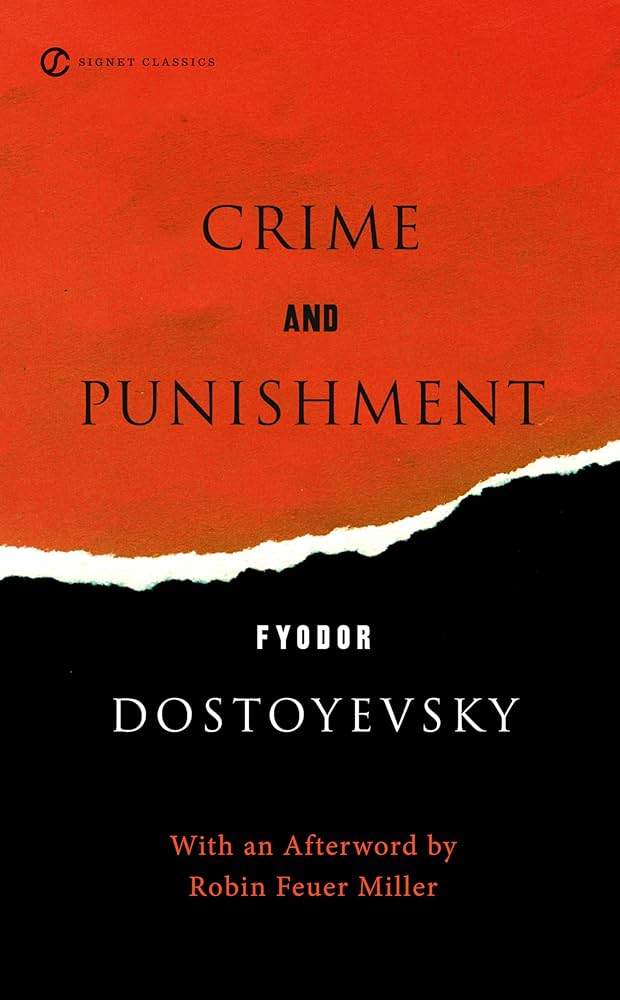
Crime and Punishment

Fyodor Dostoevsky

Read: June 2023 • Rating: 10/10

Dostoevsky's psychological thriller about guilt, redemption, and the limits of rational morality.

Raskolnikov's theory that extraordinary men are above conventional morality gets systematically dismantled through his own psychological disintegration. The murder itself takes only a few pages; the real story is watching a man's conscience destroy him.

The interrogation scenes with Porfiry are masterful cat-and-mouse games. Dostoevsky understood human psychology at a depth that still feels ahead of its time. One of the greatest novels ever written.


The Man Who Solved the Market

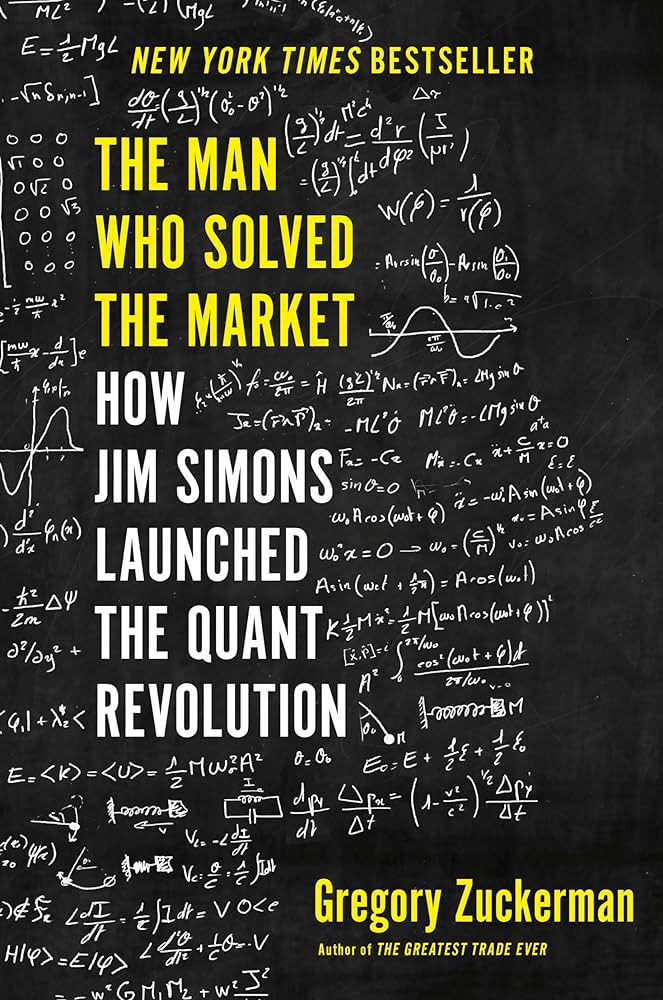
The Man Who Solved the Market

Gregory Zuckerman

Read: July 2024 • Rating: 9/10

The story of Jim Simons and Renaissance Technologies, the most successful hedge fund in history.

Simons built a team of mathematicians and scientists who treated the market as a code to be cracked. No fundamental analysis, no economic theory. Pure pattern recognition at scale.

The Medallion Fund's returns are almost impossible to believe: 66% annually before fees for decades. The book doesn't fully explain how they do it (they don't tell anyone), but the glimpses are fascinating. A testament to what happens when you apply serious quantitative rigor to markets.


The Mom Test

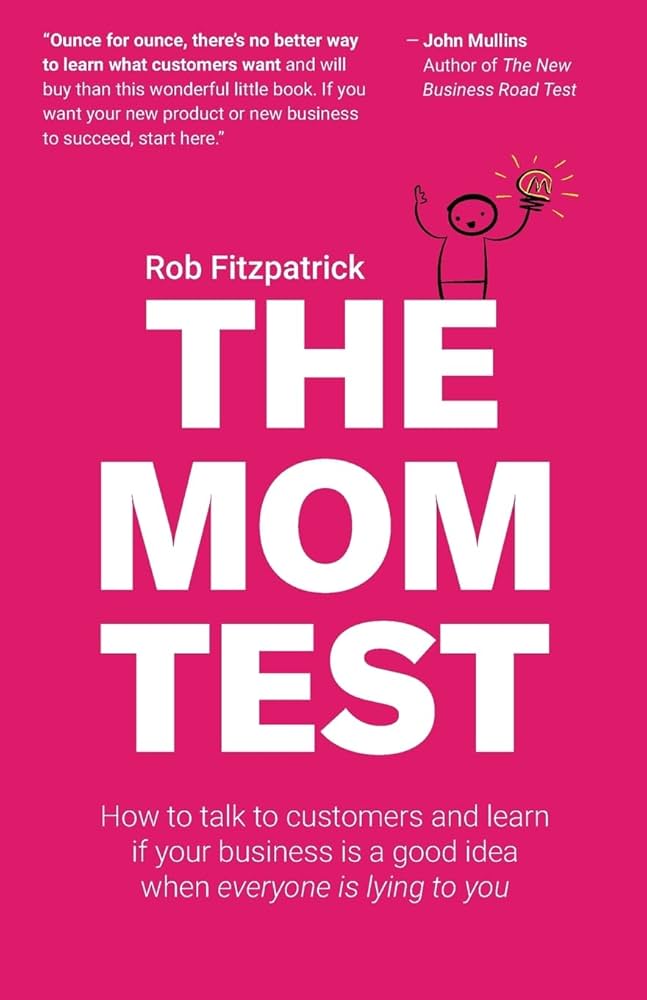
The Mom Test

Rob Fitzpatrick

Read: May 2024 • Rating: 9/10

How to talk to customers without getting lied to. Essential for anyone building products.

The title comes from a simple truth: if you ask your mom whether your business idea is good, she'll say yes. Not because it is, but because she loves you. Most customer conversations are equally useless.

The fix: ask about their life, not your idea. Ask about the past, not hypotheticals. Look for specifics, not generalities. This book will save you from building things nobody wants. Short, practical, immediately applicable.


The Stranger

The Stranger

Albert Camus

Read: September 2023 • Rating: 9/10

Camus's absurdist masterpiece. Meursault refuses to play by society's emotional rules and pays the ultimate price.

The famous opening: "Mother died today. Or maybe yesterday; I can't be sure." Meursault's emotional flatness isn't sociopathy; it's radical honesty. He won't perform feelings he doesn't have.

The trial isn't really about the murder. It's about Meursault's failure to cry at his mother's funeral, to express proper remorse, to be legible to society. A devastating critique of how we demand emotional performance.


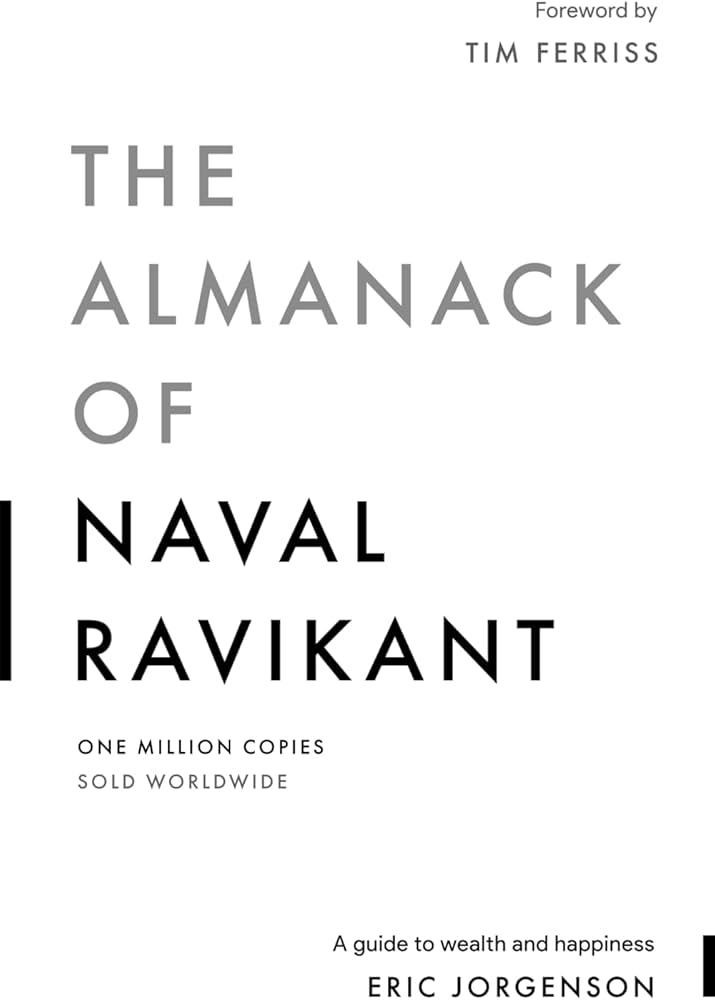
The Almanack of Naval Ravikant

The Almanack of Naval Ravikant

Eric Jorgenson

Read: August 2023 • Rating: 9/10

A compilation of Naval's wisdom on wealth and happiness. Dense with actionable mental models.

Naval's framing of specific knowledge as something that cannot be taught but must be learned through experience resonated deeply. His emphasis on leverage through code, media, and capital as the modern path to wealth creation is practical and timely.

The happiness section hits different. The idea that happiness is a skill you can develop, not something that happens to you, is liberating. Worth revisiting every few months.


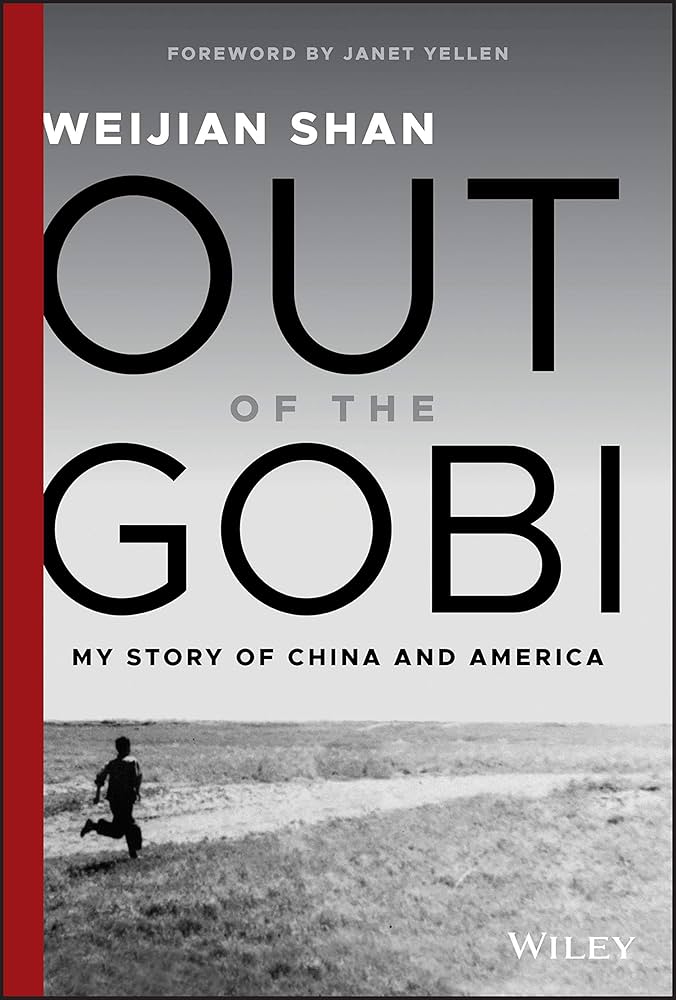
Out of the Gobi

Out of the Gobi

Weijian Shan

Read: May 2023 • Rating: 9/10

A memoir of surviving China's Cultural Revolution and building a career in American finance.

Shan was sent to the Gobi Desert at 15 for "re-education." He taught himself English from a dictionary, eventually made it to Berkeley, and became a successful private equity investor.

The contrast between his Gobi years and his later success is staggering. A testament to human resilience and the power of education as a path out. Also a sobering look at what ideological extremism does to a society.


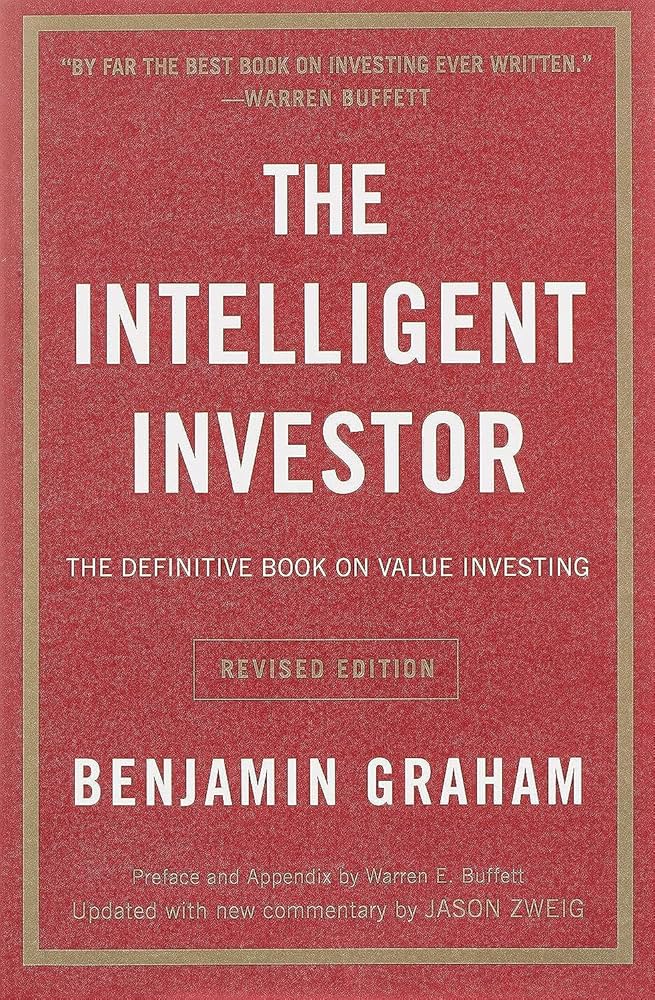
The Intelligent Investor

The Intelligent Investor

Benjamin Graham

Read: February 2023 • Rating: 9/10

The bible of value investing. Graham's framework for thinking about stocks as fractional ownership of businesses.

Mr. Market is the key concept. The market is like a business partner who shows up daily offering to buy your shares or sell you his, and his prices swing wildly based on his mood. Your job is to take advantage when his prices are irrational.

The margin of safety principle applies beyond investing. Always leave room for being wrong. Don't rely on things going perfectly. Conservative assumptions compound.


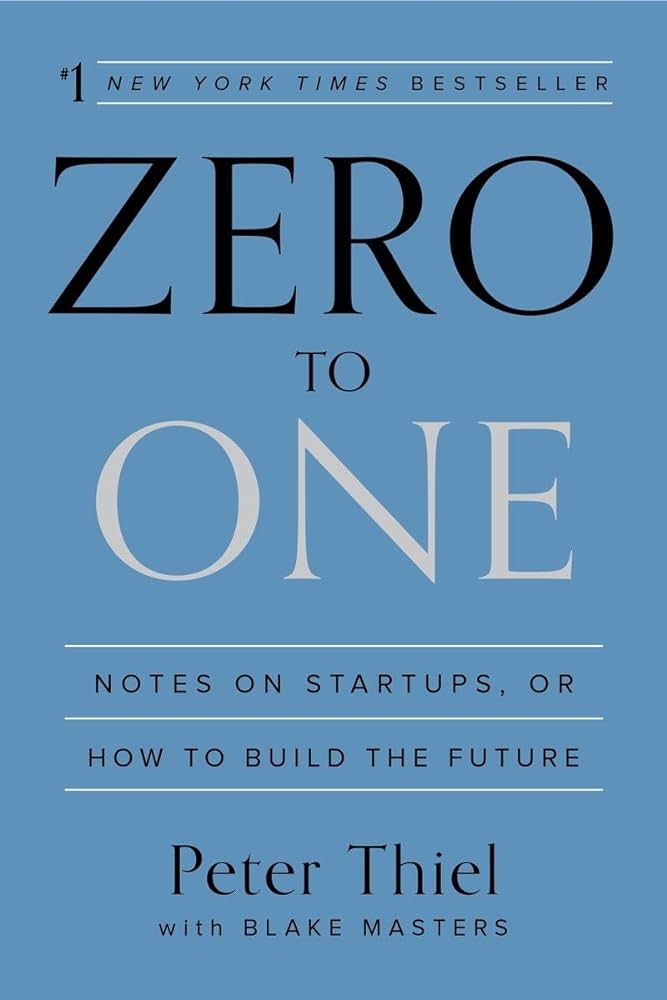
Zero to One

Zero to One

Peter Thiel

Read: January 2023 • Rating: 9/10

Thiel's contrarian framework for building monopolies. Competition is for losers.

The core question: what important truth do very few people agree with you on? If you can find one and build a business around it, you can create something new rather than copying what exists.

The monopoly framing is provocative but useful. Don't compete on price in crowded markets. Find or create a small market you can dominate completely, then expand. Definite optimism as a worldview. Short, dense, and full of ideas worth arguing with.


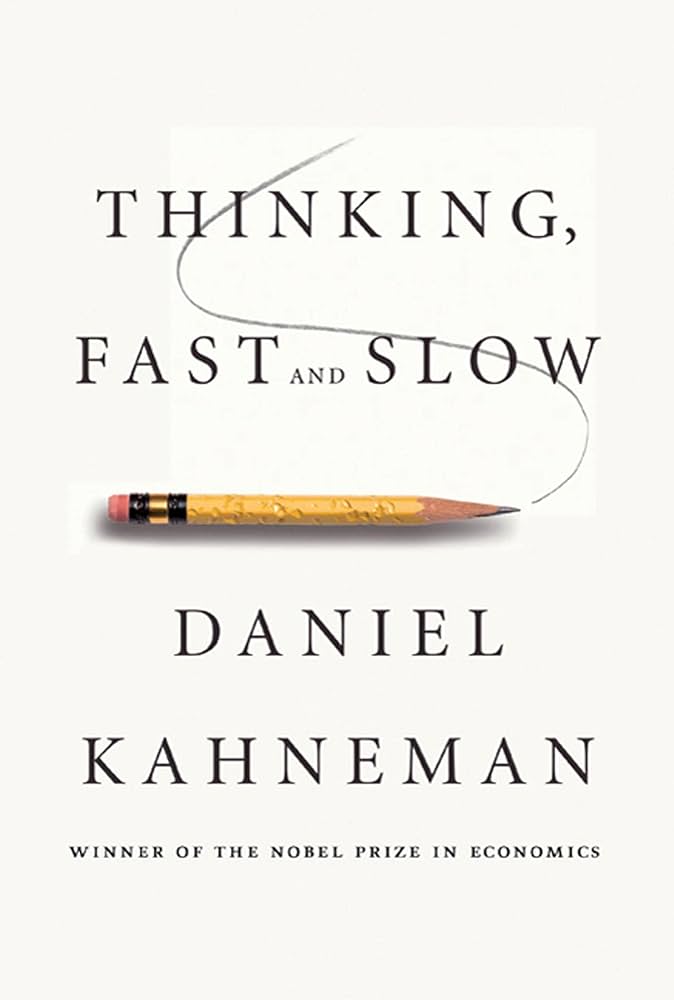
Thinking, Fast and Slow

Thinking, Fast and Slow

Daniel Kahneman

Read: October 2022 • Rating: 9/10

Kahneman's synthesis of decades of research on human judgment and decision-making.

System 1 (fast, intuitive) and System 2 (slow, deliberate) provide a framework for understanding when and why we make errors. We're overconfident, we anchor on irrelevant numbers, we confuse frequency with probability.

The depth is remarkable. Every chapter introduces a cognitive bias backed by rigorous experiments. Dense but rewarding. Changed how I think about my own thinking. One of the most important books of the past few decades.


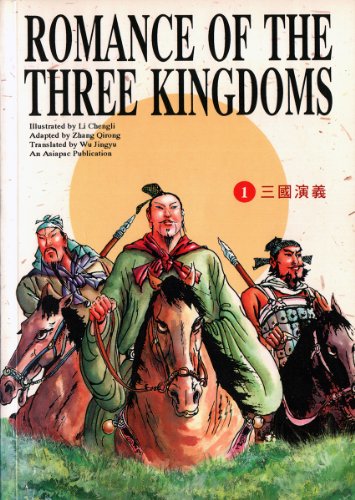
Romance of the Three Kingdoms

Romance of the Three Kingdoms

Luo Guanzhong

Read: August 2022 • Rating: 9/10

The epic historical novel of China's Three Kingdoms period. Strategy, loyalty, and the rise and fall of heroes.

Zhuge Liang's strategic genius, Guan Yu's legendary loyalty, Cao Cao's ruthless pragmatism. Each character embodies different approaches to power and virtue. The novel shaped Chinese culture's ideals of heroism and brotherhood.

The strategic thinking displayed is timeless. Empty fort strategies, borrowing arrows, forming alliances against common enemies. A masterclass in maneuvering through chaos.


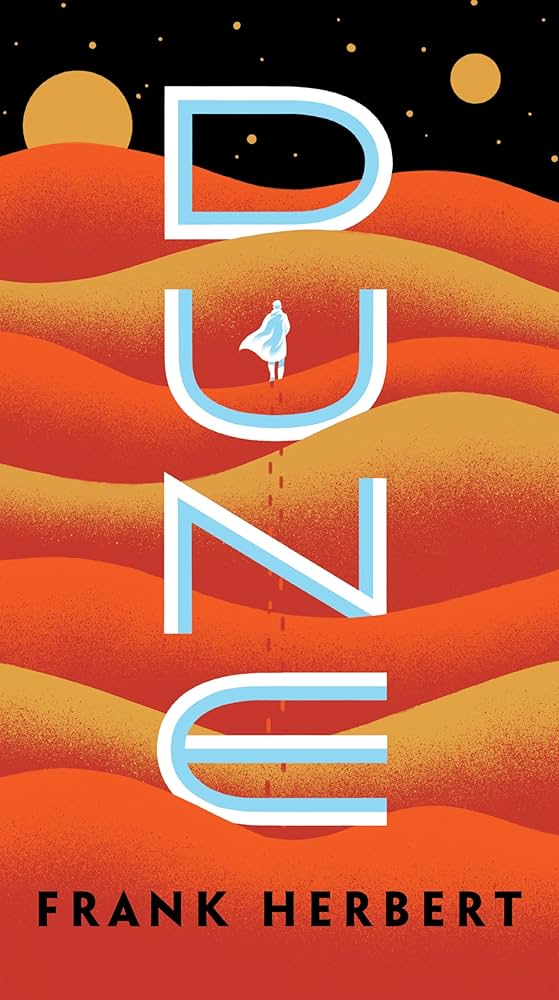
Dune

Dune

Frank Herbert

Read: July 2022 • Rating: 9/10

The greatest science fiction novel ever written. Politics, religion, ecology, and human potential woven into an epic narrative.

Herbert's world-building is unmatched. The Bene Gesserit breeding program, the spice economy, the Fremen culture, the feudal politics—every element feels meticulously thought through and interconnected.

The real brilliance is the exploration of messianic figures and the dangers of hero worship. Paul can see the future, knows what's coming, and is powerless to stop it. A prescient warning about charismatic leaders.


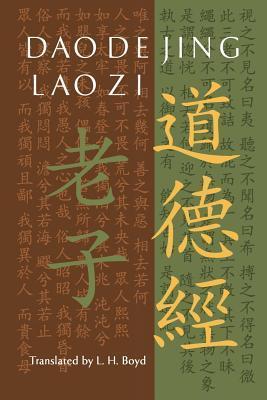
Dao De Jing

Dao De Jing

Laozi

Read: January 2022 • Rating: 9/10

The foundational text of Taoist philosophy. 81 chapters of paradoxical wisdom.

The Dao that can be spoken is not the eternal Dao. This opening line sets the tone: language and concepts are fingers pointing at the moon, not the moon itself.

Reading this requires letting go of the Western need to analyze and categorize. The wisdom emerges from sitting with the contradictions. Water is soft yet carves through rock. The usefulness of a cup comes from its emptiness. Return to this one regularly.


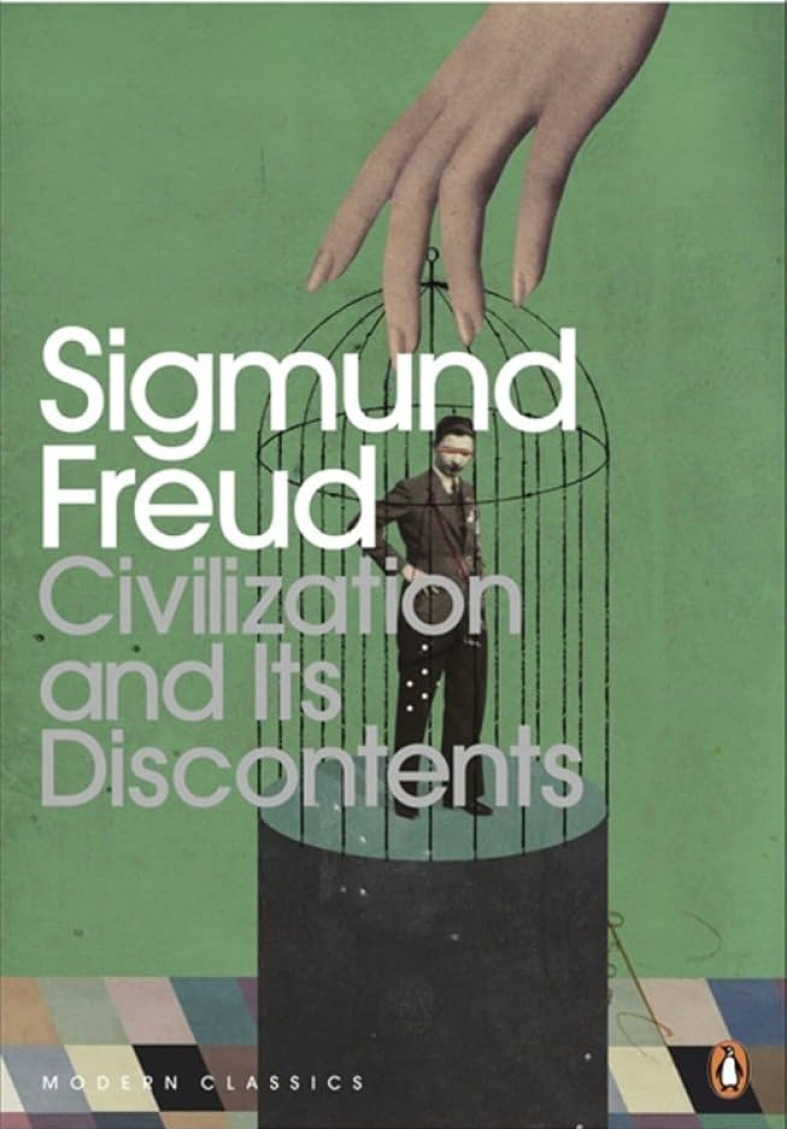
Civilization and Its Discontents

Civilization and Its Discontents

Sigmund Freud

Read: December 2024 • Rating: 8/10

Freud's meditation on the tension between individual desire and societal order.

The core argument: civilization requires the repression of instincts, which inevitably leads to unhappiness. We trade freedom for security, and that trade has a psychological cost.

Some of the psychoanalytic framework feels dated, but the central insight holds up. Every system we build to enable collective living comes with constraints on individual expression. Worth reading to understand the fundamental tradeoffs of organized society.


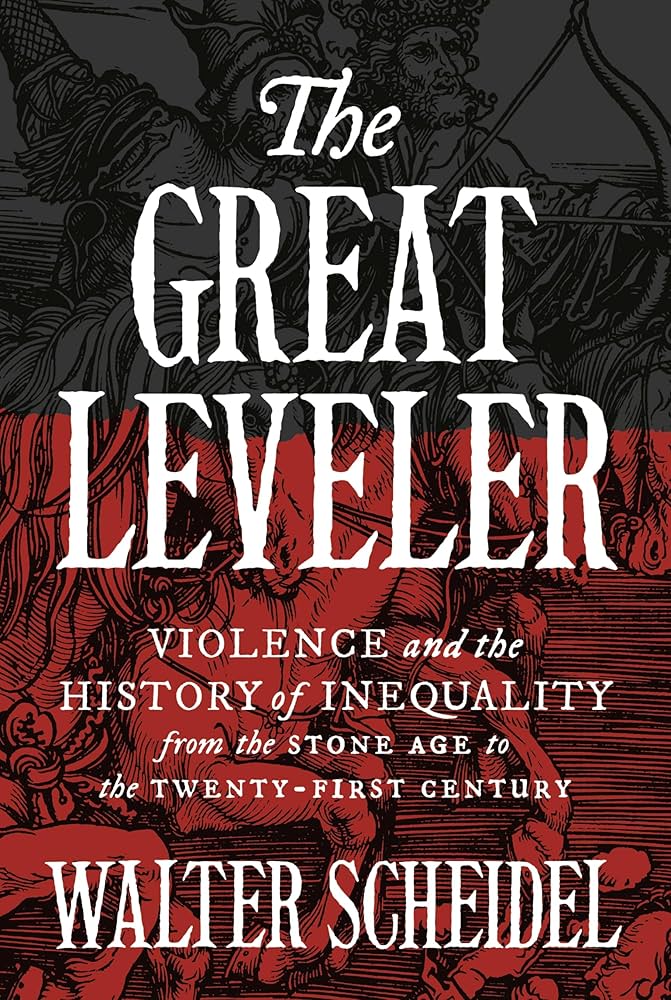
The Great Leveler

The Great Leveler

Walter Scheidel

Read: November 2024 • Rating: 8/10

A deeply pessimistic history of inequality. Only catastrophe significantly reduces it.

Scheidel identifies four horsemen of leveling: mass warfare, revolution, state collapse, and plague. Peaceful policy interventions have never substantially reduced inequality in recorded history.

The data is comprehensive and the conclusion is uncomfortable. If you want equality, you need destruction. The 20th century's compression came from two world wars. Not exactly a replicable policy. Essential reading for anyone thinking seriously about economic distribution.


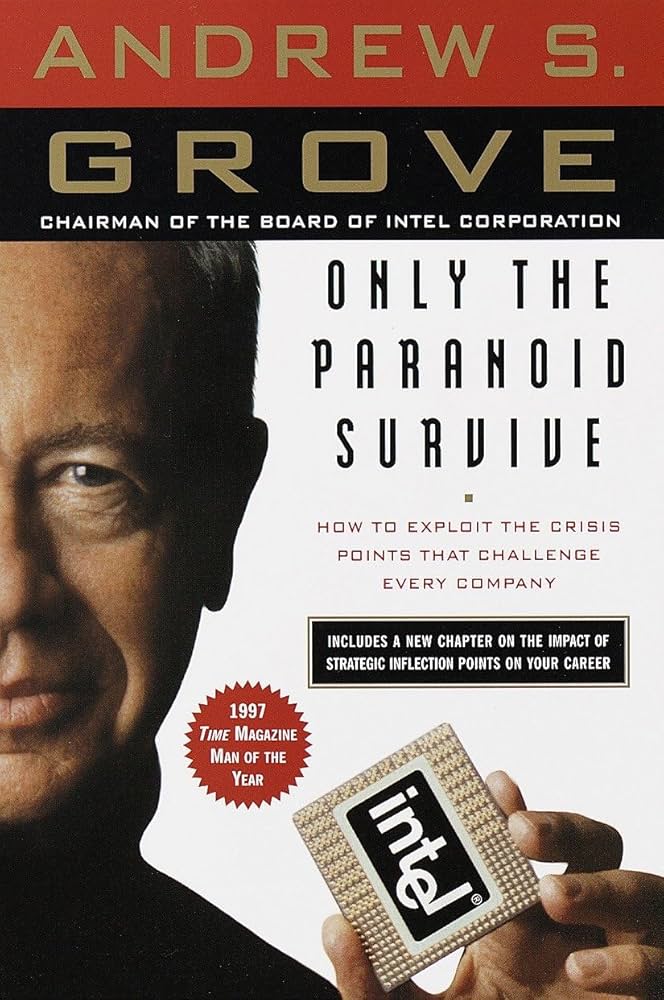
Only the Paranoid Survive

Only the Paranoid Survive

Andy Grove

Read: April 2024 • Rating: 8/10

Grove's framework for navigating strategic inflection points. When the fundamentals of your business change, adapt or die.

Intel's pivot from memory to microprocessors is the central case study. Grove walked out of his office, walked back in, and asked: if the board fired us and brought in new management, what would they do? Then they did that.

The 10x force concept is useful. When something in your environment changes by an order of magnitude, your old strategies stop working. The challenge is recognizing the shift before it's too late.


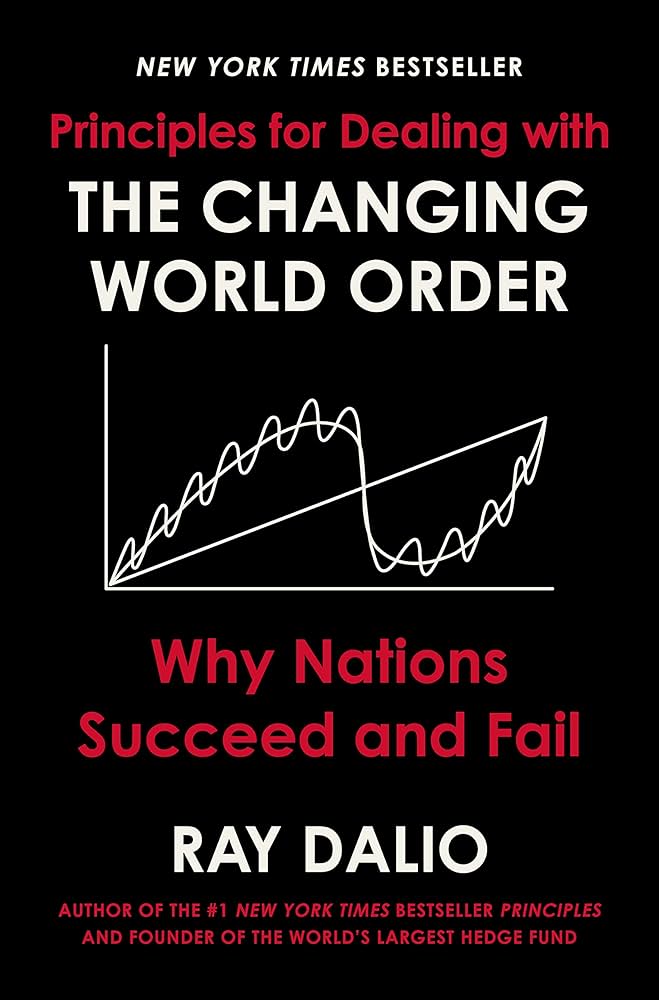
Principles for Dealing with the Changing World Order

Principles for Dealing with the Changing World Order

Ray Dalio

Read: January 2024 • Rating: 8/10

Dalio's analysis of how empires rise and fall, applied to understanding the current US-China dynamic.

The big cycles framework: education and innovation lead to economic competitiveness, which leads to military power and reserve currency status. Then debt, internal conflict, and external challengers reverse the cycle.

The historical parallels between the Dutch, British, and American empires are illuminating. The data-driven approach to history is refreshing, even if some pattern-matching feels forced. Essential reading for thinking about geopolitics.


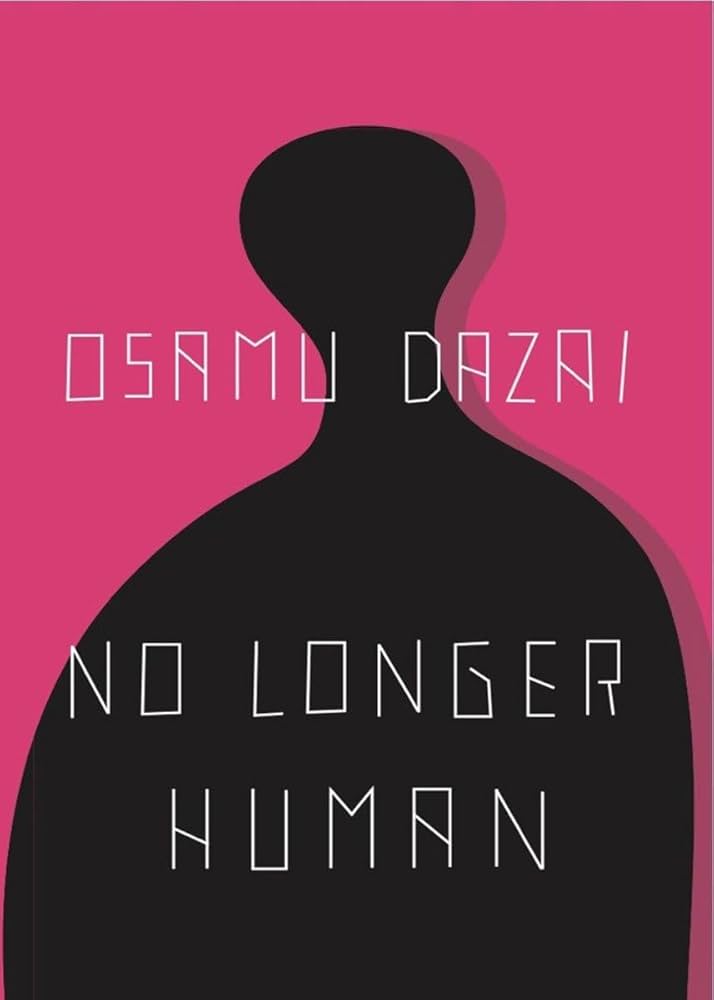
No Longer Human

No Longer Human

Osamu Dazai

Read: November 2023 • Rating: 8/10

Dazai's semi-autobiographical novel about alienation and the mask we wear for others.

Yozo cannot understand other humans and develops an elaborate system of clowning to hide his confusion. He plays the fool because genuine interaction feels impossible. The tragedy is that his masks work too well.

Brutally honest about depression and self-destruction. Dazai wrote this shortly before his suicide, and that knowledge colors every page. Not an easy read, but an important one for understanding a certain kind of suffering.


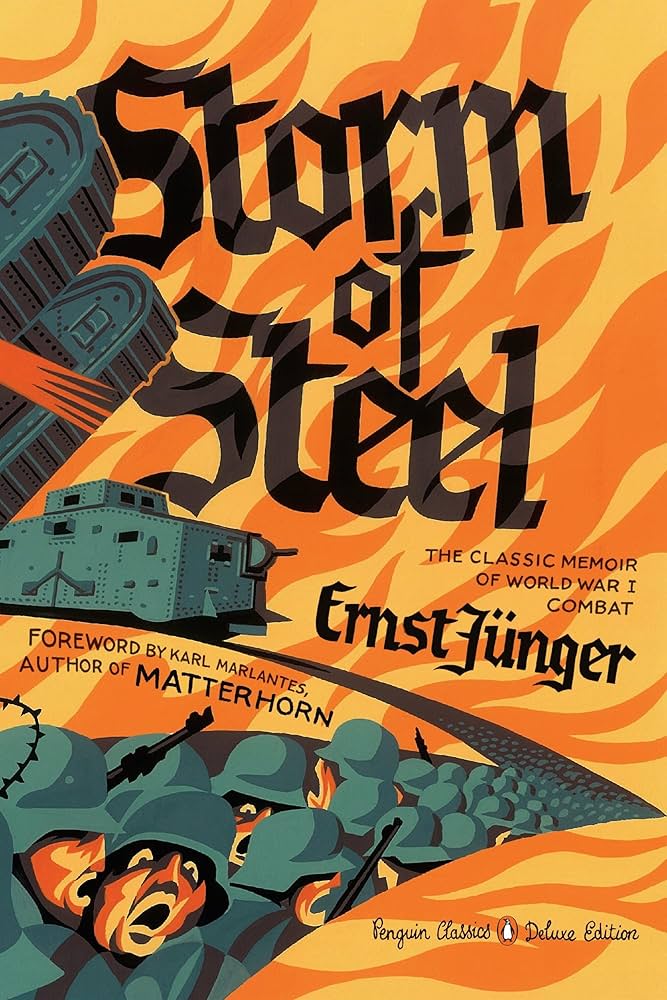
Storm of Steel

Storm of Steel

Ernst Jünger

Read: April 2023 • Rating: 8/10

Jünger's memoir of fighting in World War I. Unflinching and strangely beautiful.

Unlike the anti-war narratives of his contemporaries, Jünger doesn't moralize. He reports. The result is more disturbing than any explicit condemnation. War is presented as a force of nature, something to be experienced fully rather than judged.

The prose is precise and almost aesthetic in its treatment of violence. Controversial because it refuses to tell you what to think. You have to bring your own moral framework. That's what makes it powerful.


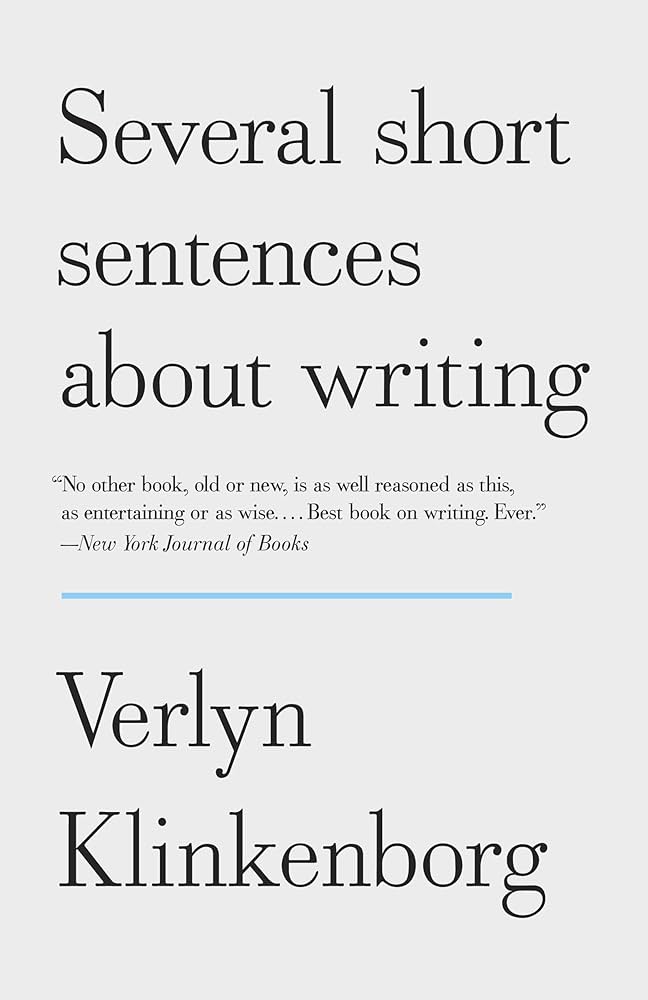
Several Short Sentences About Writing

Several Short Sentences About Writing

Verlyn Klinkenborg

Read: March 2023 • Rating: 8/10

A book about writing that practices what it preaches. Every sentence is deliberate.

The core message: most of what you learned about writing is wrong. Forget outlines. Forget topic sentences. Write one sentence at a time. Make each one worth reading on its own.

Klinkenborg attacks the "transition" mindset that treats sentences as bridges to the next idea. Every sentence should be a destination. This changes how you read and write. Short, powerful, and immediately applicable.


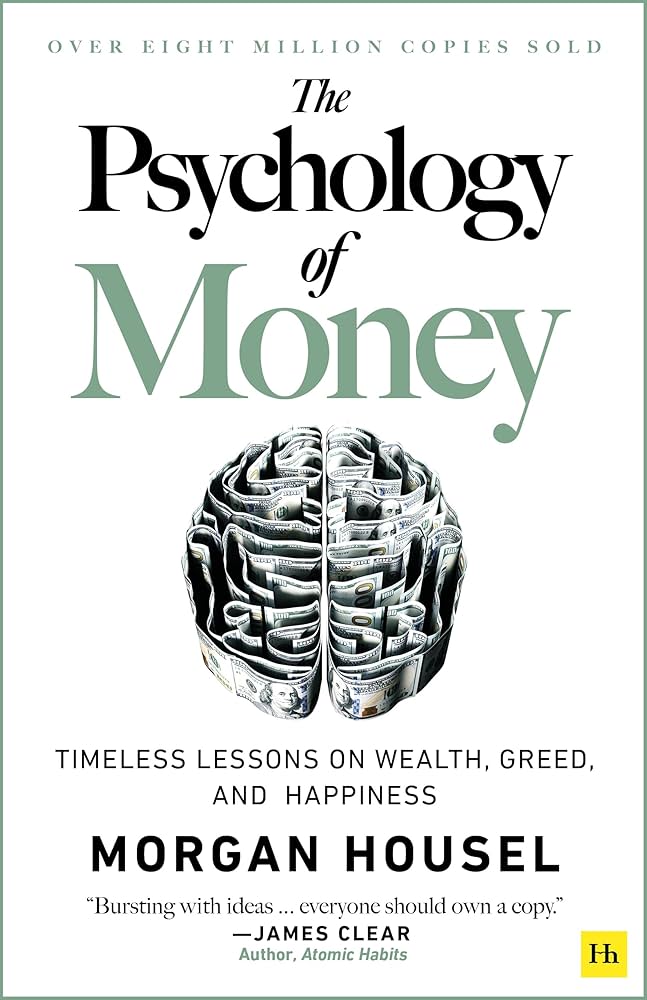
The Psychology of Money

The Psychology of Money

Morgan Housel

Read: December 2022 • Rating: 8/10

Short, punchy essays on the behavioral side of finance. How we actually make money decisions vs. how we should.

Housel's core insight: doing well with money has little to do with intelligence and a lot to do with behavior. The highest returns come from being consistently not stupid rather than occasionally brilliant.

The chapter on tail events is crucial. Most of what happens doesn't matter. A few outlier moments drive everything. Your job is to stay in the game long enough for the tails to work in your favor.


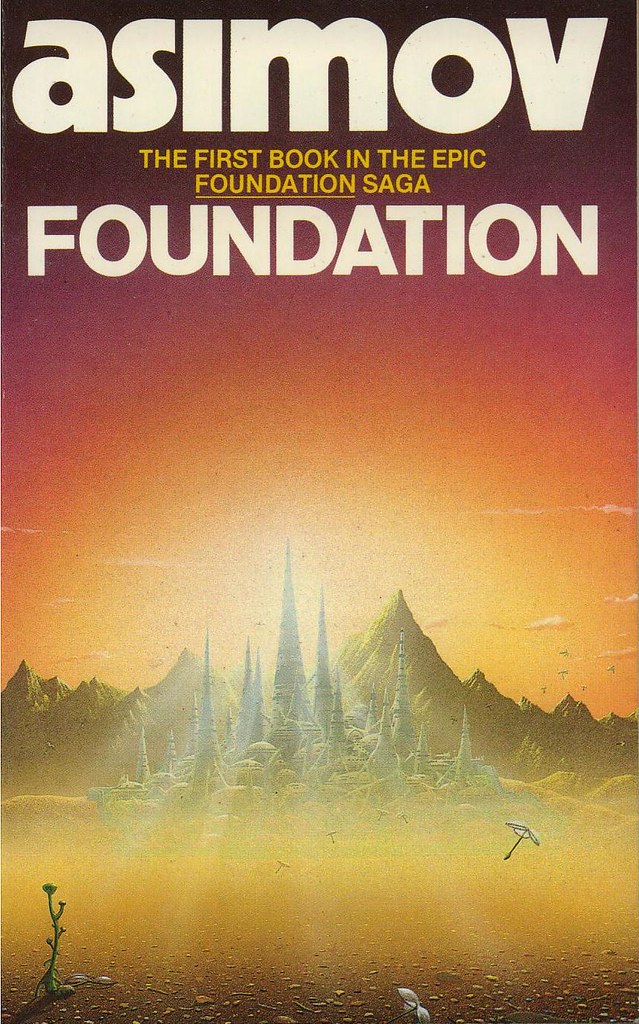
Foundation

Foundation

Isaac Asimov

Read: September 2022 • Rating: 8/10

Asimov's vision of psychohistory: using mathematics to predict the future of civilizations.

The premise is irresistible. Hari Seldon creates a science that can forecast the behavior of large populations over millennia and uses it to shorten the coming dark age from 30,000 years to 1,000.

The episodic structure shows different crises being resolved through cleverness rather than violence. Each solution feels inevitable in retrospect but surprising in the moment. A foundational text for thinking about civilizational scale.


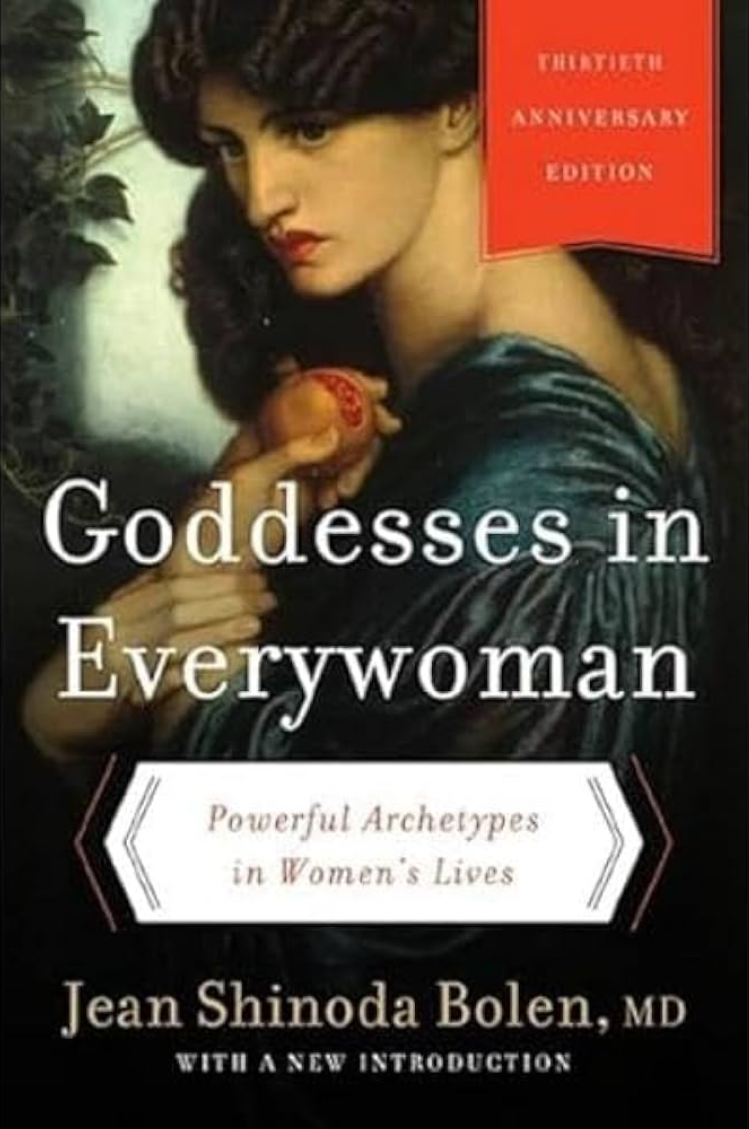
Goddesses in Everywoman

Goddesses in Everywoman

Jean Shinoda Bolen

Read: October 2024 • Rating: 7/10

Jungian archetypes through the lens of Greek goddesses. A framework for understanding feminine psychology.

Bolen maps seven goddess archetypes to different patterns of behavior and motivation. Athena the strategist, Aphrodite the lover, Artemis the independent. Each represents a different way of being in the world.

Useful as a lens for understanding people, though the framework can feel reductive at times. The real value is in recognizing which archetypes are active in yourself and others, and understanding the shadows each brings.


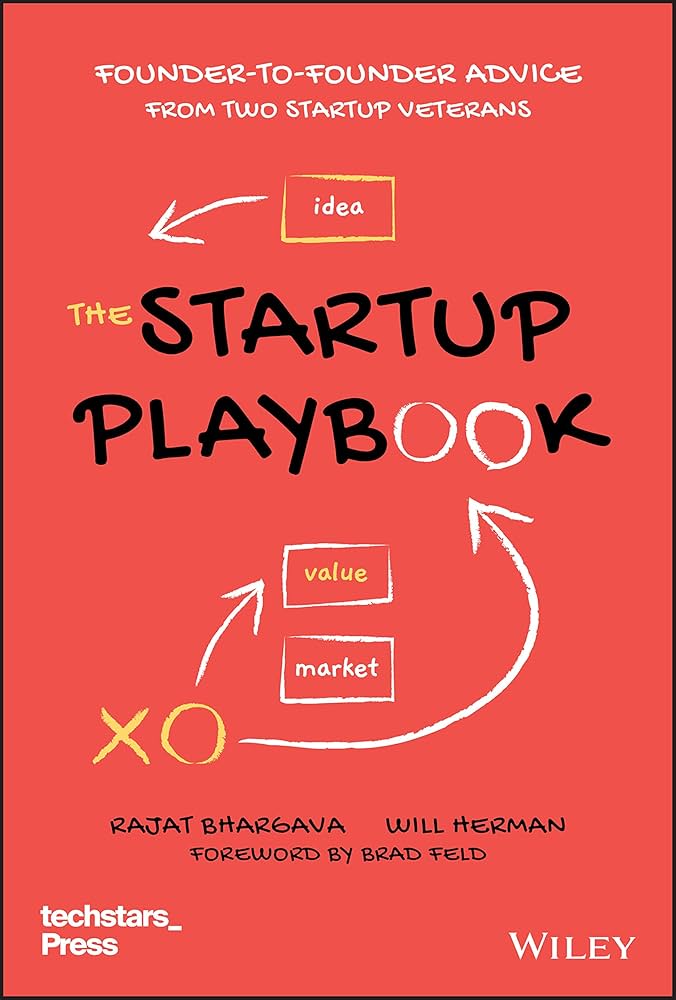
The Startup Playbook

The Startup Playbook

Rajat Bhargava

Read: June 2024 • Rating: 7/10

Practical advice from a serial entrepreneur. Less theoretical than most startup books.

Bhargava covers the full lifecycle: ideation, team building, fundraising, scaling, exit. The advice is concrete and experience-based rather than abstract principles.

Most useful for first-time founders who need a checklist of things to consider. More experienced operators might find it basic, but the comprehensiveness is valuable. Good reference book to return to at different stages.


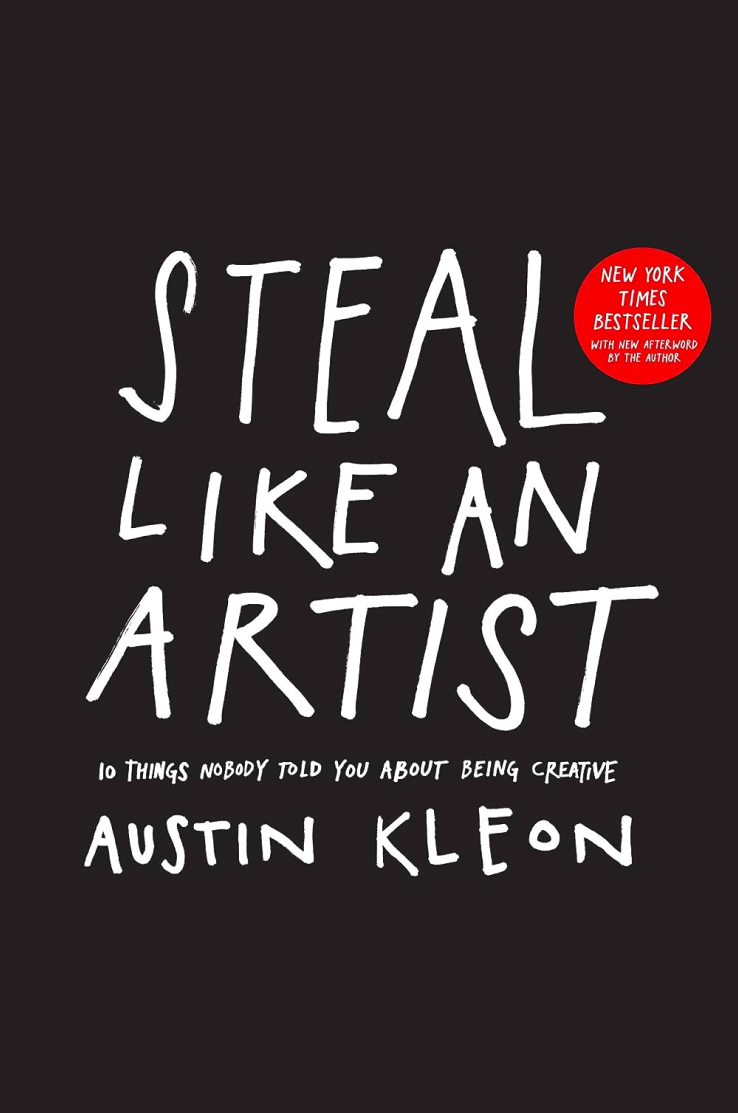
Steal Like an Artist

Steal Like an Artist

Austin Kleon

Read: February 2022 • Rating: 7/10

A manifesto for creative work. Nothing is original; everything is a remix.

Kleon's advice: collect influences obsessively, then combine them in ways only you can. Your unique perspective is the filter that transforms borrowed ideas into original work.

The book itself is a demonstration of its principles. Short, visual, quotable. Good for a quick creative boost, though the ideas are more starting points than deep explorations. Best for people early in their creative journey.